
Indian benchmark indices Sensex and Nifty opened higher, extending their previous session's rally, driven by a decline in global oil prices, despite continued selling by Foreign Institutional Investors.

Indian stock markets are set to be influenced this week by a confluence of factors including quarterly corporate earnings, the US Federal Reserve's interest rate decision, fluctuations in crude oil prices, and ongoing geopolitical developments in West Asia.

Indian benchmark equity indices, Sensex and Nifty, closed lower for the fourth consecutive session, driven by a surge in crude oil prices above USD 114 per barrel due to escalating tensions in West Asia, coupled with broad-based selling and FII outflows.

Indian equity benchmarks Sensex and Nifty experienced a decline in early trade, primarily due to a sell-off in power and metal stocks, mirroring a broader downturn across Asian markets. Elevated crude oil prices and firm US bond yields further dampened investor sentiment, while an expert warned of an impending correction in overvalued mid and small-cap segments. Track Sensex, Nifty on October 22.

Indian equity benchmarks Sensex and Nifty rallied up to 1 per cent in early trade, driven by strong performance in IT stocks, Reliance Industries, and favourable global market sentiment, rebounding from previous losses.

Indian equity benchmark indices extended losses for a second consecutive session, with the Sensex dropping 143 points, driven by a sell-off in power, banking, and financial stocks, coupled with elevated crude oil prices and persistent FII selling.
Indian benchmark stock indices, Sensex and Nifty, experienced a significant drop on Monday, with the Sensex falling by nearly 548 points, primarily due to a fresh spike in crude oil prices, persistent foreign fund outflows, and rising bond yields.

Indian benchmark indices Sensex and Nifty saw a sharp rebound in early trade, driven primarily by a rally in IT stocks and a decline in crude oil prices, even as global markets faced selling pressure due to US inflation concerns. Track Sensex and Nifty on

Indian benchmark indices Sensex and Nifty closed higher for the second consecutive day, primarily driven by robust buying in IT stocks following strong quarterly results and positive global trends. Tech Mahindra notably surged over 8% after reporting a significant jump in net profit.
Indian benchmark stock indices, Sensex and Nifty, rallied significantly, with Sensex jumping over 1,500 points and Nifty reaching a nearly three-week high, driven by strong buying in banking, IT, and Reliance Industries stocks, alongside easing crude oil prices.

Indian benchmark indices Sensex and Nifty saw a rebound in early trade, primarily driven by a more than 4 per cent surge in Tata Consultancy Services (TCS) shares following its robust Q2 net profit announcement. Track Sensex, nifty on October 9.
Indian benchmark indices Sensex and Nifty experienced declines in early trade, ending a two-day rally, driven by a spike in Brent crude oil prices above USD 101 per barrel and investor caution ahead of the Reserve Bank of India's monetary policy decision. Track Sensex, Nifty on October 7.

Indian benchmark indices Sensex and Nifty rebounded on Wednesday, driven by value buying in banking stocks and select heavyweight counters, with the Sensex climbing 332.63 points and the Nifty ending above 23,200.
Indian benchmark indices Sensex and Nifty experienced declines in early trade, influenced by the Reserve Bank of India's (RBI) recent repo rate hike and its signal for continued monetary tightening, coupled with rising crude oil prices and foreign fund outflows. Track Sensex, Nifty on October 8.
Indian benchmark indices Sensex and Nifty experienced a significant downturn in early trade, with the Sensex tanking 730 points, driven by surging crude oil prices, escalating geopolitical uncertainties, and a weak trend observed across Asian markets.
Indian benchmark indices Sensex and Nifty saw a significant rebound in early trade, with the Sensex surging over 700 points, driven by a decline in crude oil prices, easing concerns over Federal Reserve tightening, and the appointment of Anup Bagchi as the new MD and CEO of HDFC Bank.
Indian benchmark indices, Sensex and Nifty, experienced a decline in early trade due to relentless foreign institutional investor (FII) outflows, although a drop in crude oil prices below USD 100 per barrel provided some cushioning. Track Sensex, Nifty on October 1.
Indian benchmark indices, Sensex and Nifty, traded marginally higher in early trade despite the US Federal Reserve's recent rate hike and indications of further tightening, with the National Stock Exchange's much-anticipated Rs 22,569-crore IPO also opening for subscription.

Indian benchmark indices, Sensex and Nifty, closed nearly flat on Thursday, influenced by the US Federal Reserve's interest rate hike and indications of further monetary tightening. Despite some intraday gains, caution prevailed, with foreign institutional investors continuing to offload equities. Meanwhile, the National Stock Exchange of India's (NSE) mega initial public offering opened for subscription, garnering 39 per cent subscription on its first day.

Indian benchmark indices, Sensex and Nifty, traded flat in early deals due to elevated crude oil prices exceeding USD 100 per barrel and persistent geopolitical tensions, which subdued investor risk appetite.
Indian benchmark indices, Sensex and Nifty, saw declines in early trade due to escalating crude oil prices and ongoing US-Iran hostilities, which subdued investor risk appetite.
Indian benchmark indices, Sensex and Nifty, experienced a significant downturn, with Sensex tanking 778 points and Nifty closing at a five-month low, driven by surging crude oil prices, geopolitical tensions, and fears of further interest rate hikes by major central banks.

Indian benchmark indices, Sensex and Nifty, experienced declines in early trade due to elevated crude oil prices, escalating US-Iran hostilities, and renewed concerns over a potential US interest rate hike.

Indian equity benchmark indices Sensex and Nifty rebounded sharply in early trade, with the Sensex jumping over 530 points, tracking a broad-based rally in Asian markets after four consecutive days of decline.
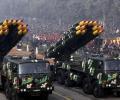
Global brokerage Jefferies forecasts a double-digit compound annual growth rate (CAGR) for India's defence spending, estimating a cumulative domestic opportunity of over $60 billion across four years, driven by geopolitical tensions and the government's indigenisation push.
Indian benchmark indices, Sensex and Nifty, experienced declines in early trading, primarily due to selling pressure on blue-chip HDFC Bank and ongoing geopolitical uncertainties.

Indian stock markets, including the Sensex and Nifty, experienced their third consecutive day of declines, driven by a global selloff, escalating tensions in West Asia, and a subsequent rise in crude oil prices.
Indian benchmark equity indices extended their losing streak for a fourth consecutive day, with the Sensex tumbling 417 points due to rising crude oil prices and a significant sell-off in IT stocks, impacting overall investor sentiment.
Indian benchmark equity indices, Sensex and Nifty, opened higher on Monday, driven by strong buying in blue-chip stocks like HDFC Bank and Infosys, despite persistent geopolitical tensions and elevated crude oil prices.

Indian benchmark indices Sensex and Nifty opened higher, driven by a significant drop in crude oil prices and a positive trend in global equities, with foreign fund inflows further bolstering domestic markets.
Indian benchmark indices Sensex and Nifty experienced declines in early trade, influenced by the escalating US-Iran standoff and persistently high crude oil prices, with experts predicting increased volatility.
Indian benchmark indices, Sensex and Nifty, saw declines in early trade, influenced by rising crude oil prices and ongoing geopolitical tensions in West Asia. Experts suggest that crude oil remains a primary concern, with Brent holding near USD 88 a barrel due to renewed US warnings against Iran, embedding a geopolitical risk premium in energy markets. Track Sensex, Nifty
Indian benchmark equity indices, Sensex and Nifty, closed lower due to persistent geopolitical tensions in the Middle East and elevated crude oil prices, with investors remaining cautious ahead of fresh US sanctions on Iran.
Indian benchmark equity indices, Sensex and Nifty, traded marginally higher in early deals despite cautious global cues stemming from elevated crude oil prices due to geopolitical uncertainties and a sharp fall in US markets. Track Sensex, Nifty on August 21, 2026.
Indian benchmark equity indices, Sensex and Nifty, experienced declines in early trade due to elevated crude oil prices and persistent geopolitical uncertainties, particularly following the expiry of the US-Iran ceasefire. Track Sensex, Nifty on August 19, 2026.
Indian benchmark indices, Sensex and Nifty, closed flat on Friday, with elevated crude oil prices due to geopolitical uncertainties and a rebound in US Treasury yields making investors cautious and preventing a decisive market rally.

A pro-Kannada organisation allegedly vandalised a Hindi signboard in Bengaluru during a protest against the "imposition of Hindi". Police have registered an FIR against the activists for rioting and destruction of public property, with investigations ongoing.

Indian benchmark indices closed mixed, with the Sensex gaining 113.61 points to 78,079.96 and the Nifty falling 40.10 points to 24,395.85, as elevated crude prices and ongoing geopolitical uncertainty in the Middle East made investors cautious.
Indian benchmark indices closed mixed, with the Sensex gaining 113.61 points to 78,079.96 and the Nifty falling 40.10 points to 24,395.85, as elevated crude prices and ongoing geopolitical uncertainty in the Middle East made investors cautious.
Indian benchmark indices, Sensex and Nifty, saw a significant rebound in early trade, with the Sensex jumping 726 points and the Nifty climbing over 200 points, primarily driven by strong performances in IT stocks, HDFC Bank, and renewed foreign fund inflows. Track Sensex, Nifty on July 29.
